Money Worksheets for Kids
Teaching children about money management is an essential life skill that can set them up for future success. Money worksheets for kids provide a fun and engaging way to introduce financial concepts such as saving, spending, and budgeting. By incorporating these worksheets into their learning routine, parents and educators can help children develop a solid understanding of money and its value.
These worksheets are designed to cater to various age groups and learning levels, making them versatile tools for teaching financial literacy. From simple counting exercises to more complex budgeting scenarios, money worksheets can be tailored to meet the needs of each child. This article will explore the benefits of using money worksheets and provide examples of activities that can enhance children’s understanding of money management.
Money Worksheets for Kids
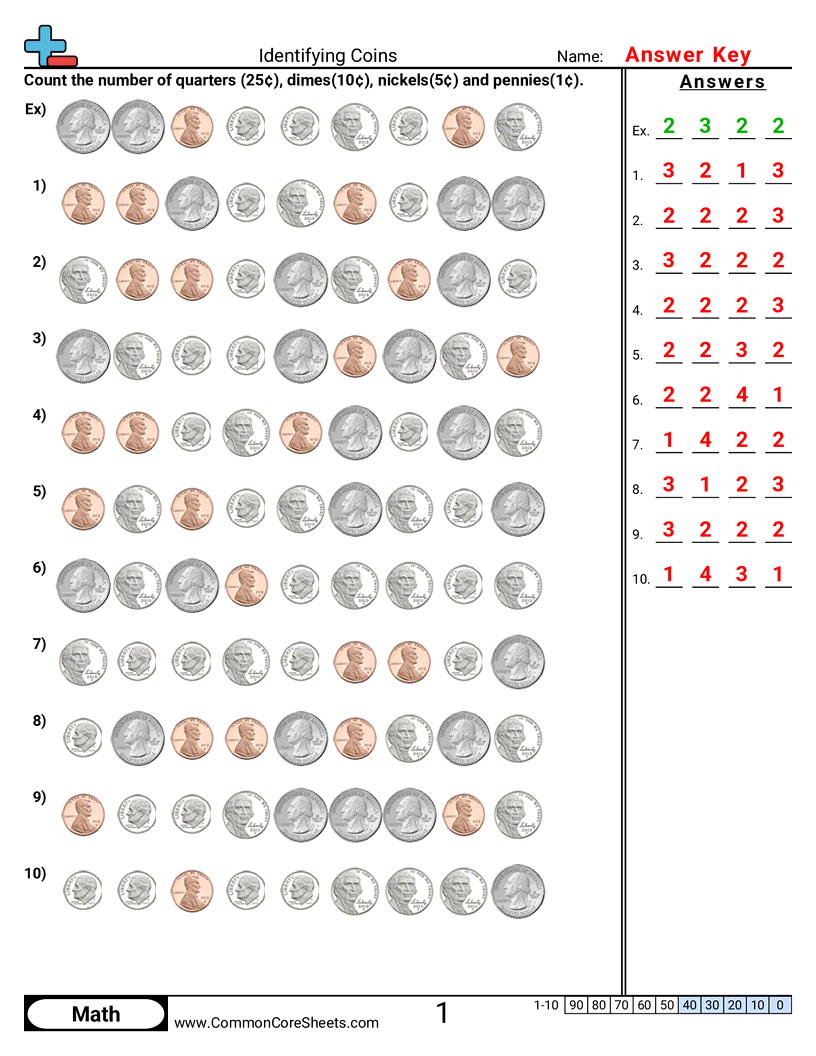
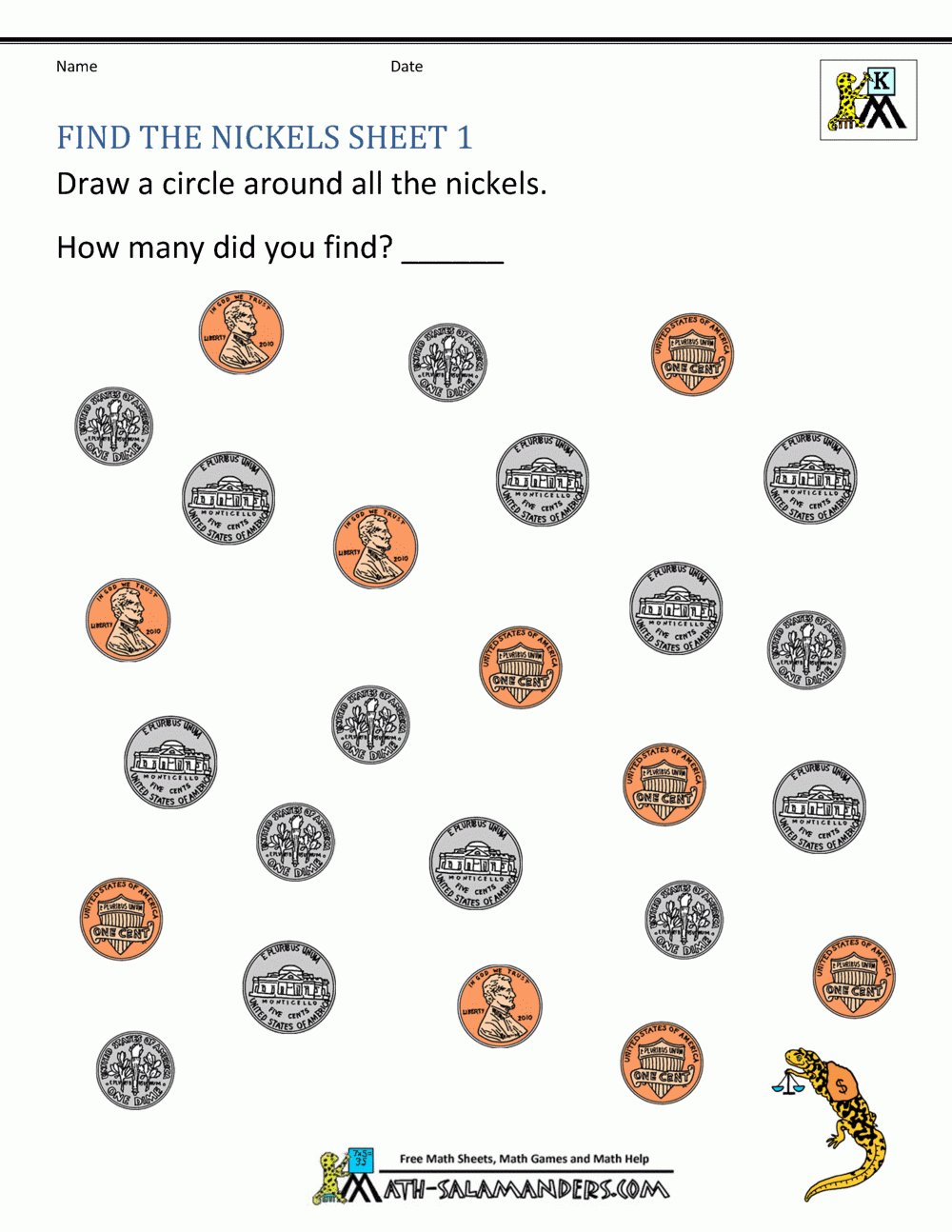
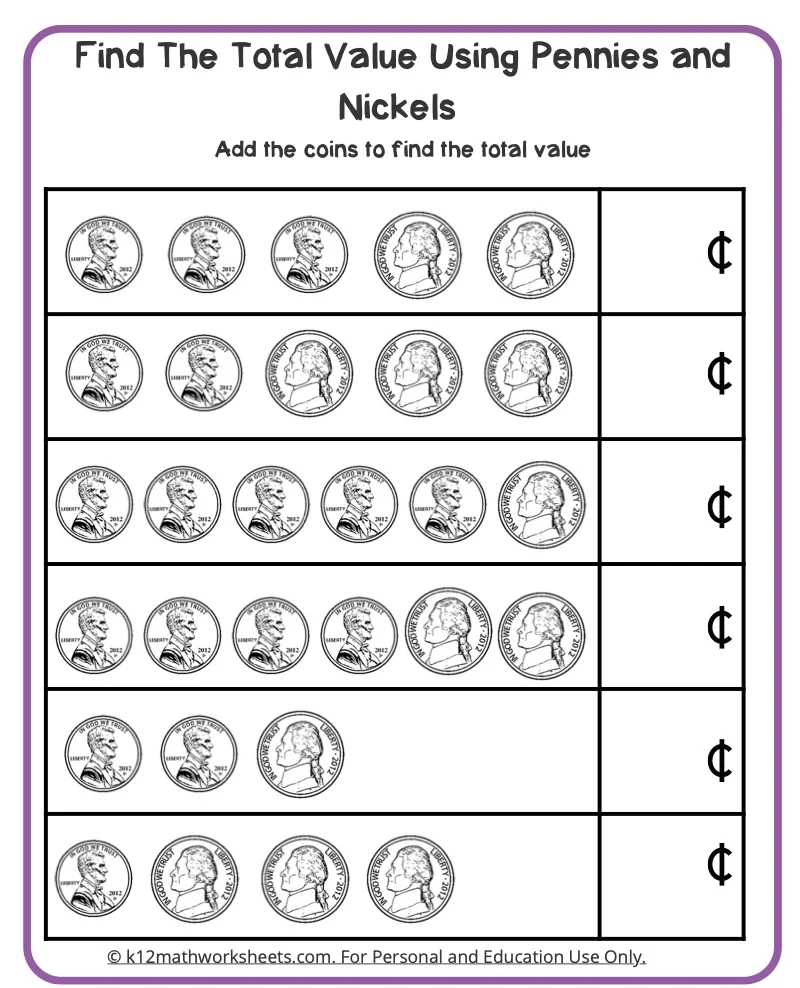
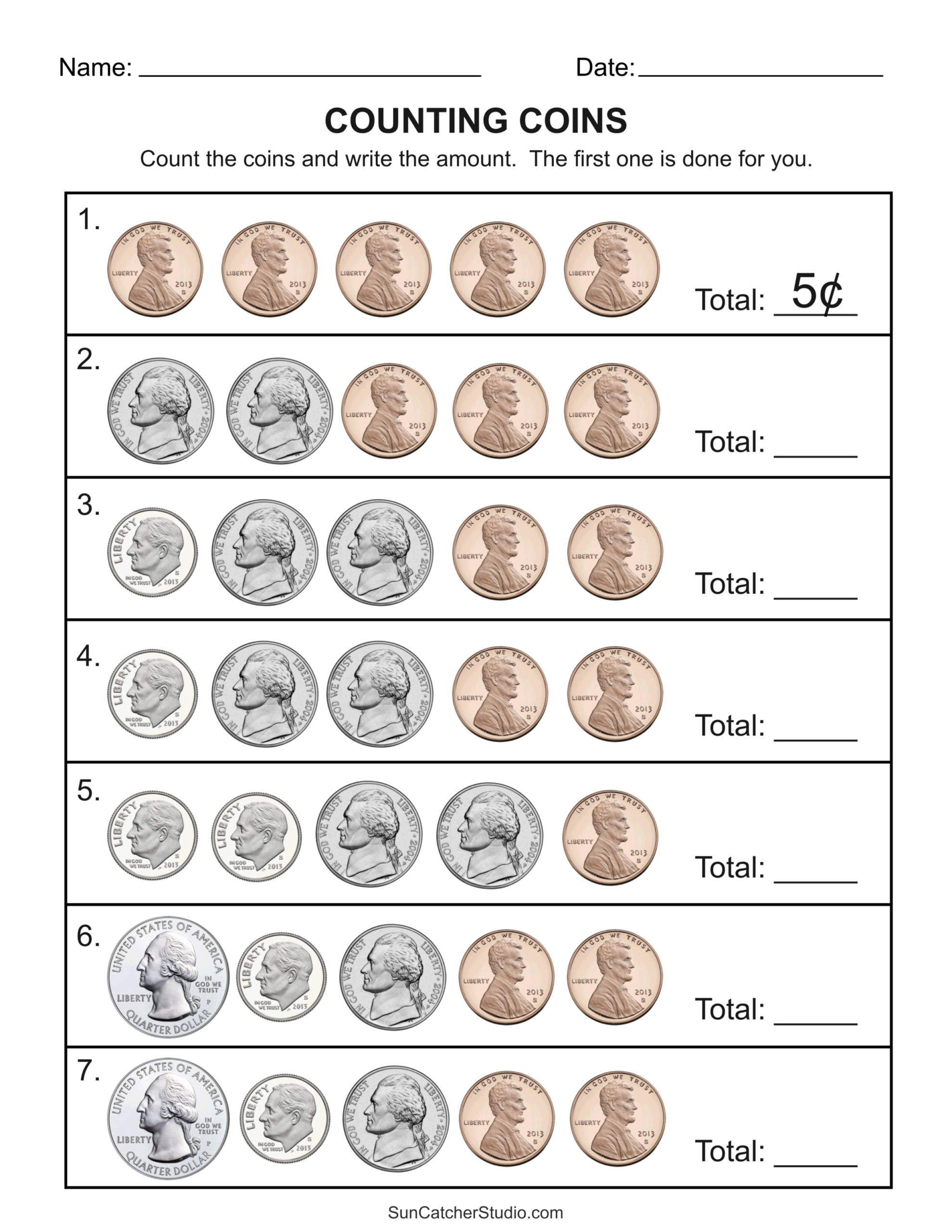
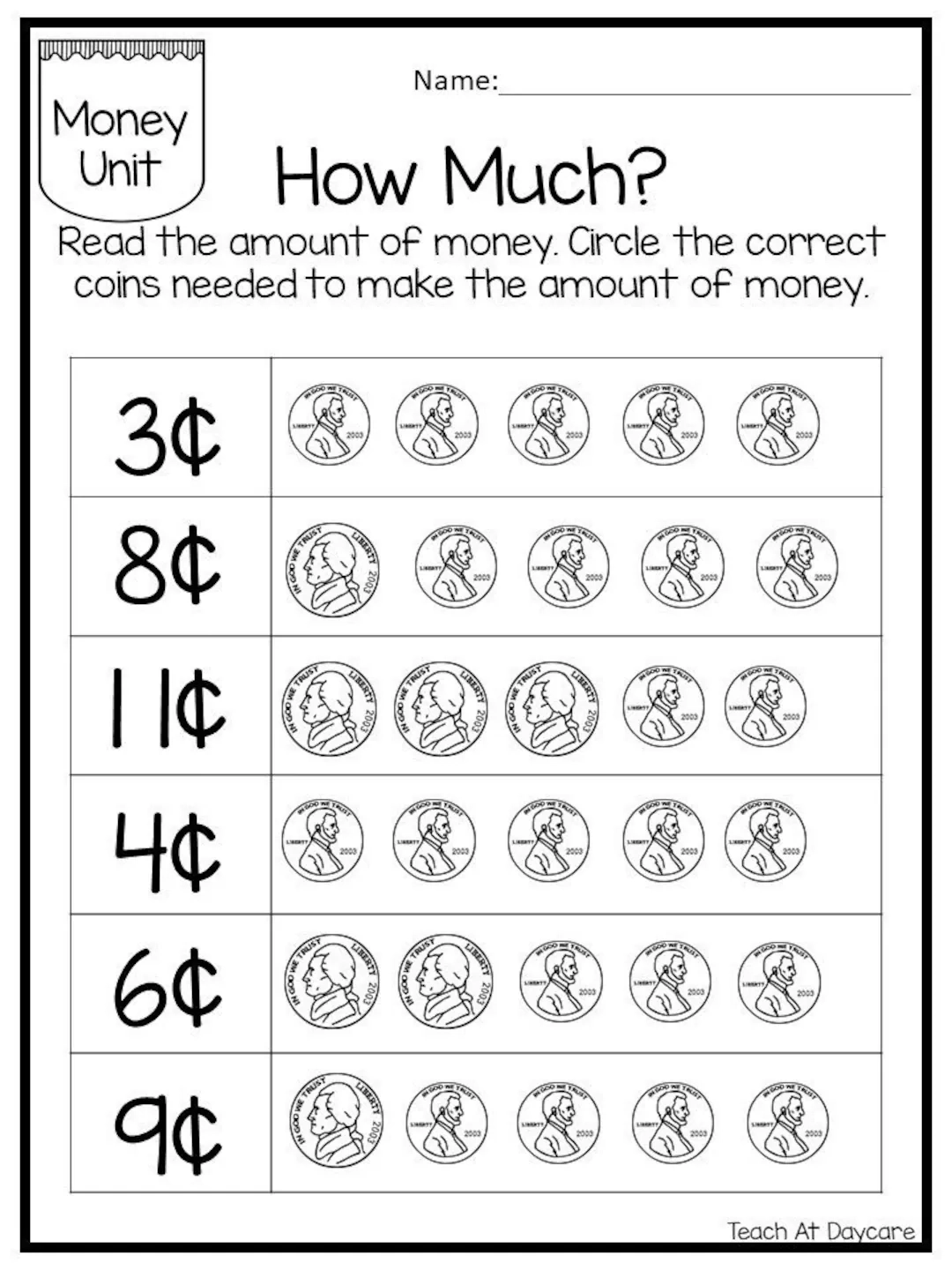
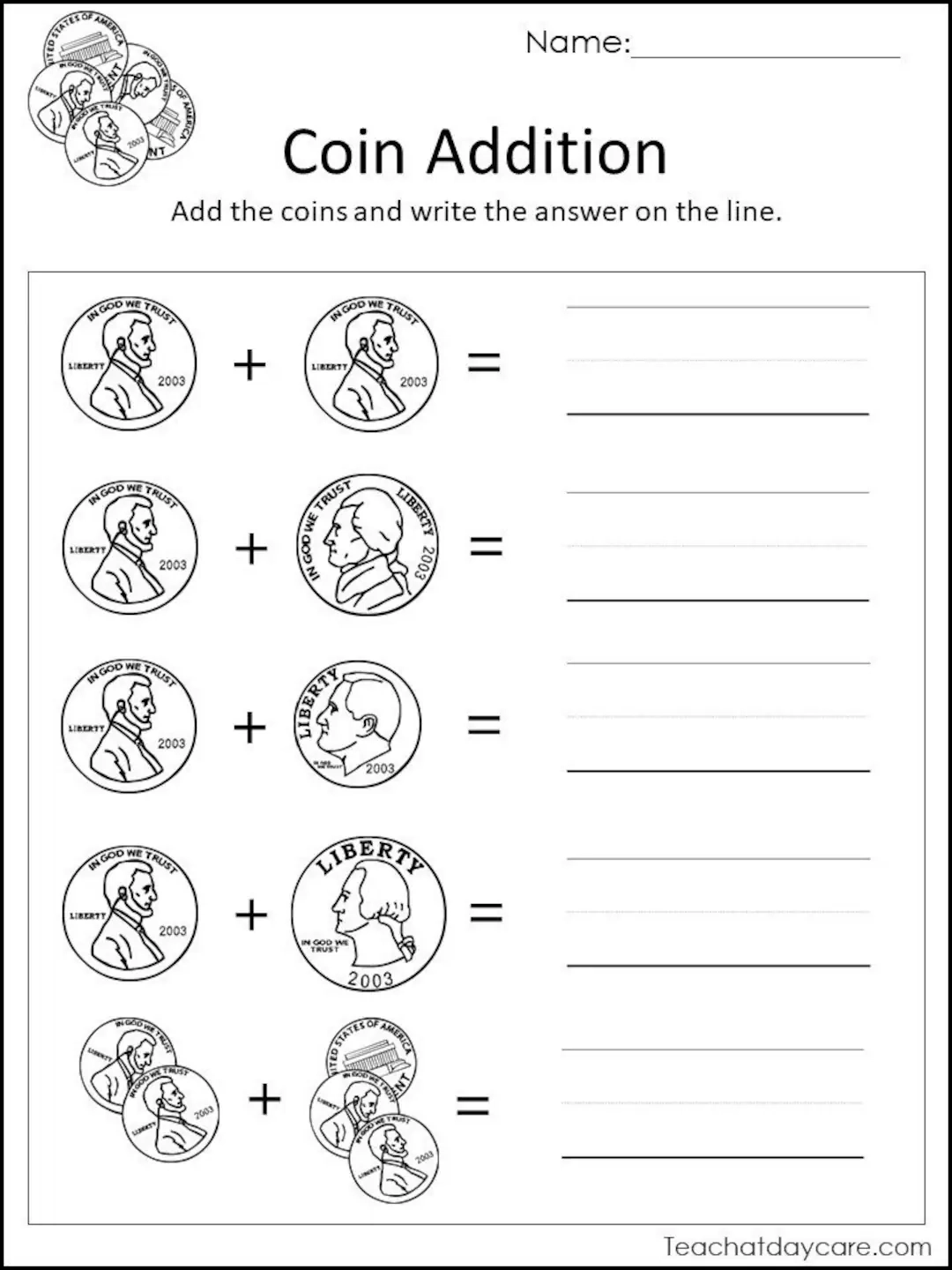
One of the primary benefits of money worksheets is that they make learning about finances interactive and enjoyable. Children can engage with colorful graphics and relatable scenarios that capture their interest. For instance, worksheets may include activities like counting coins, identifying different denominations, or solving word problems related to shopping. These hands-on experiences help reinforce key concepts in a memorable way.
Another advantage of using money worksheets is that they promote critical thinking skills. As children work through various exercises, they learn to analyze situations and make informed decisions about spending and saving. For example, a worksheet might present a scenario where a child has a set amount of money to spend on toys. They would need to evaluate their options and decide which toys they can afford while considering their preferences and needs.
Additionally, money worksheets can be integrated into broader educational themes such as math and social studies. By linking financial literacy with other subjects, children can see the real-world applications of what they are learning. For instance, a worksheet that involves calculating discounts during a sale can enhance both math skills and understanding of consumer behavior.
Parents can also use these worksheets as a tool for open discussions about money management at home. By reviewing completed worksheets together, families can talk about budgeting strategies, the importance of saving, and the value of making wise financial choices. This collaborative approach not only reinforces learning but also fosters healthy attitudes towards money.
In conclusion, money worksheets for kids are invaluable resources that facilitate the development of financial literacy in an engaging manner. By incorporating these worksheets into children’s education, parents and educators can equip them with essential skills that will benefit them throughout their lives. Encouraging children to explore the world of finance through fun activities will help them grow into responsible adults who understand the importance of managing their finances wisely.
Download and Print money worksheets for kids Listed below